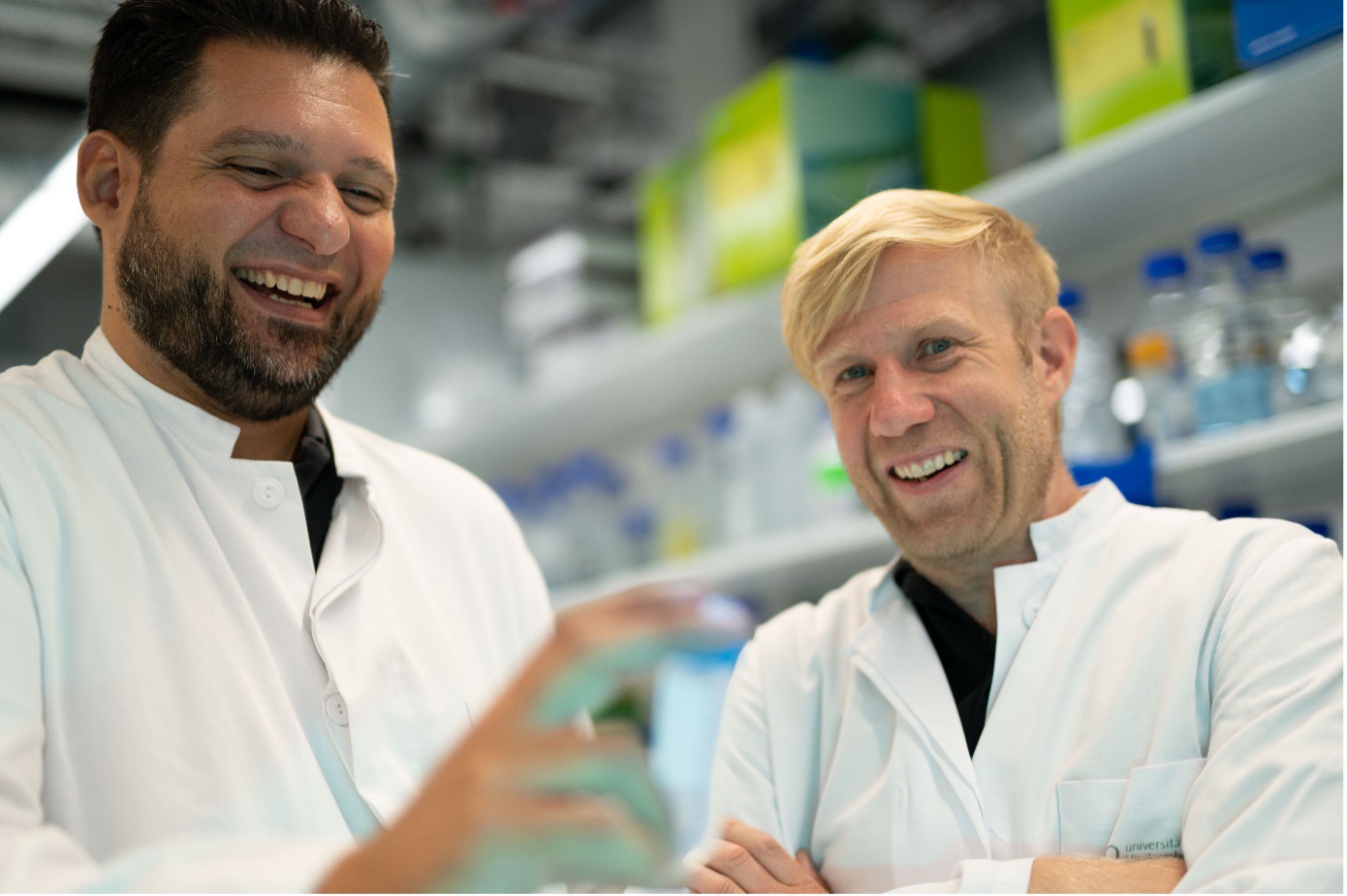
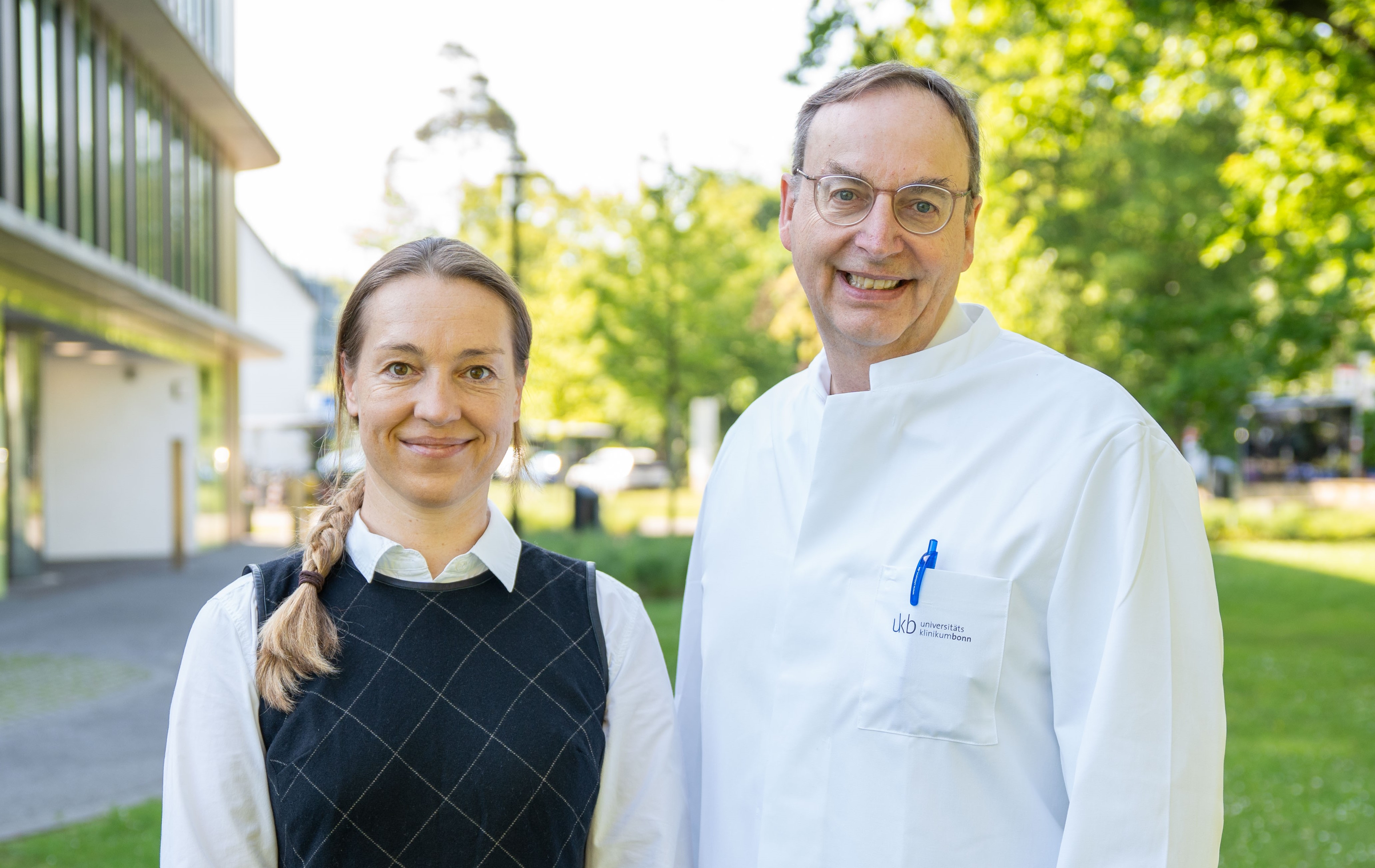
A study published in Science provides new insights into how homing pigeons navigate when visual cues are limited. An interdisciplinary team of immunologists from the University of Bonn, including our SFB researchers Clivia Lisowski and Christian Kurts, and physicists from the University of Duisburg-Essen collaborated with ornithologists from the Max Planck Institute of Animal Behavior to investigate magnetoreception in homing pigeons.
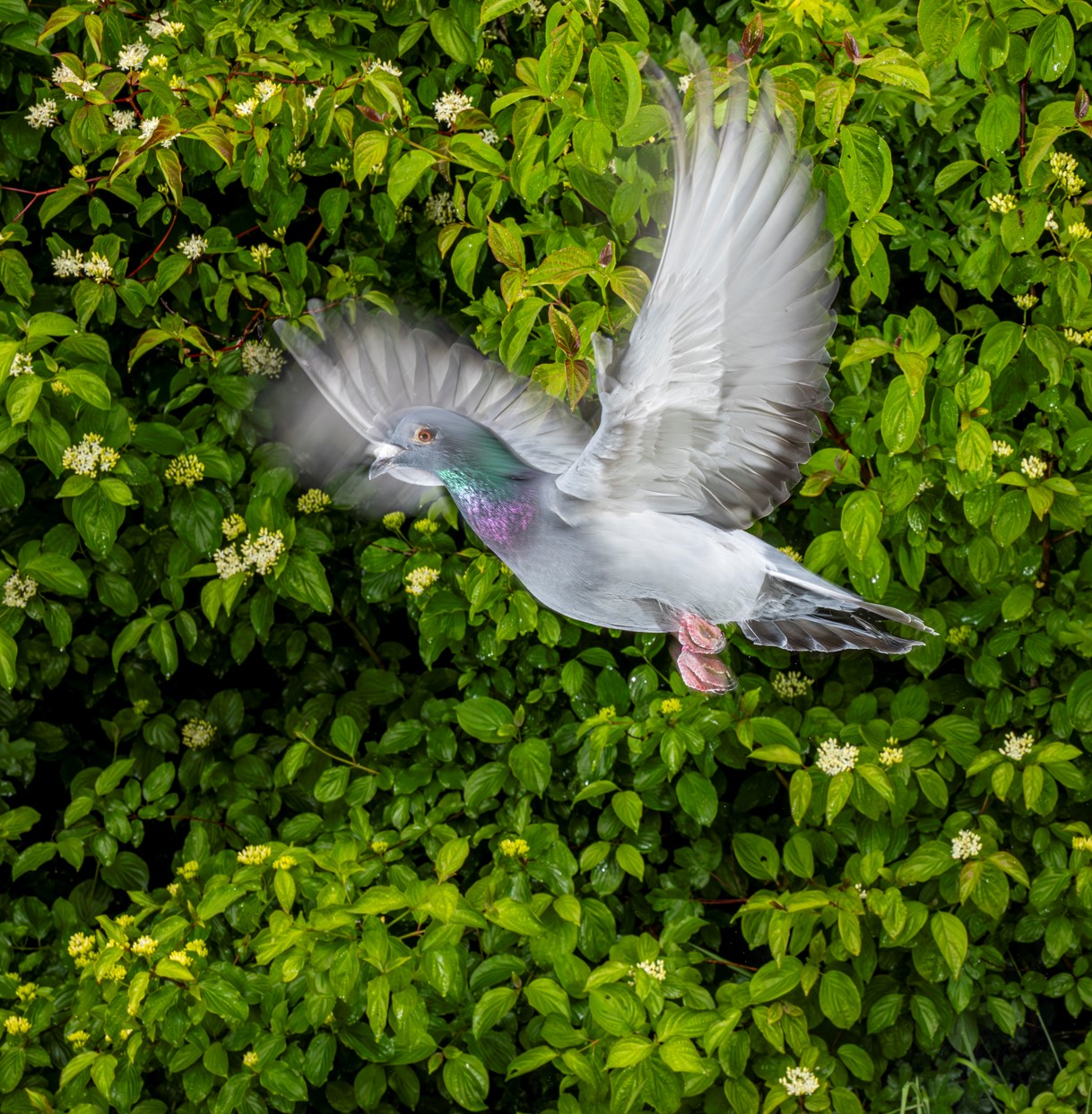
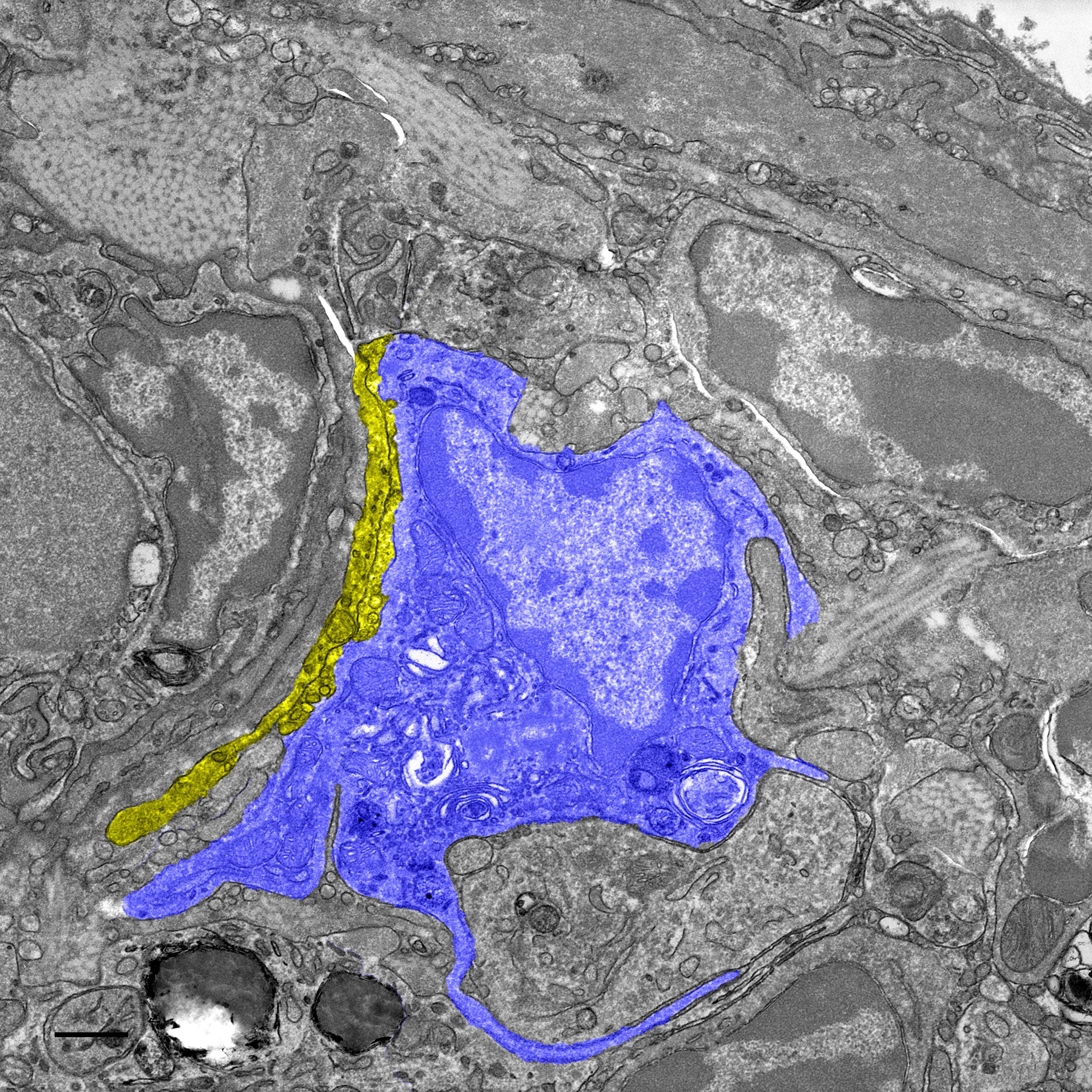
The researchers identified iron-rich macrophages in pigeon liver that are essential for perception of Earth’s magnetic field and navigation under overcast conditions. When these specialized immune cells were depleted, pigeons showed impaired orientation on cloudy days, pointing to an unexpected role of macrophages in animal magnetoreception.
These findings highlight how immune cells can perform functions far beyond their established roles in host defense and show that external factors – not only dietary factors but also magnetic fields – can modulate immune cells function. The metabolic and inflammatory consequences are currently investigated.
Copyright header image: Lisowski et al. Science (2026)
Press releases:
https://www.ukbnewsroom.de/immunzellen-in-der-leber-helfen-tauben-bei-der-navigation/
https://www.mpg.de/26511515/pigeons-navigate-using-magnetic-sensors-in-their-livers


.jpg)












-3.jpg)